 0 75 673165, 075 673149, 075 673174
Soil subsidence analysis before construction Building for learning about arts and culture in the south "Walailak Abode of Culture"
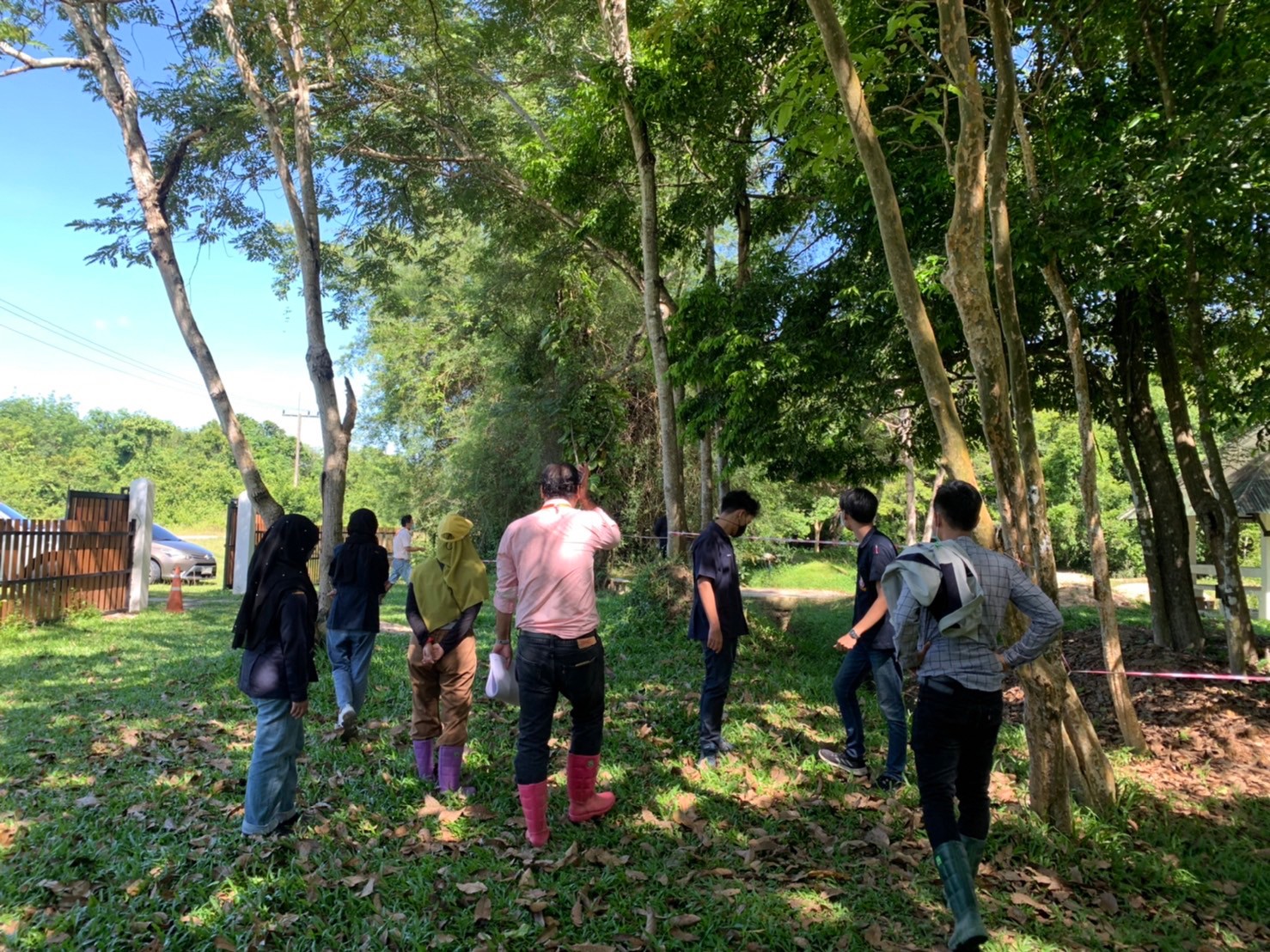
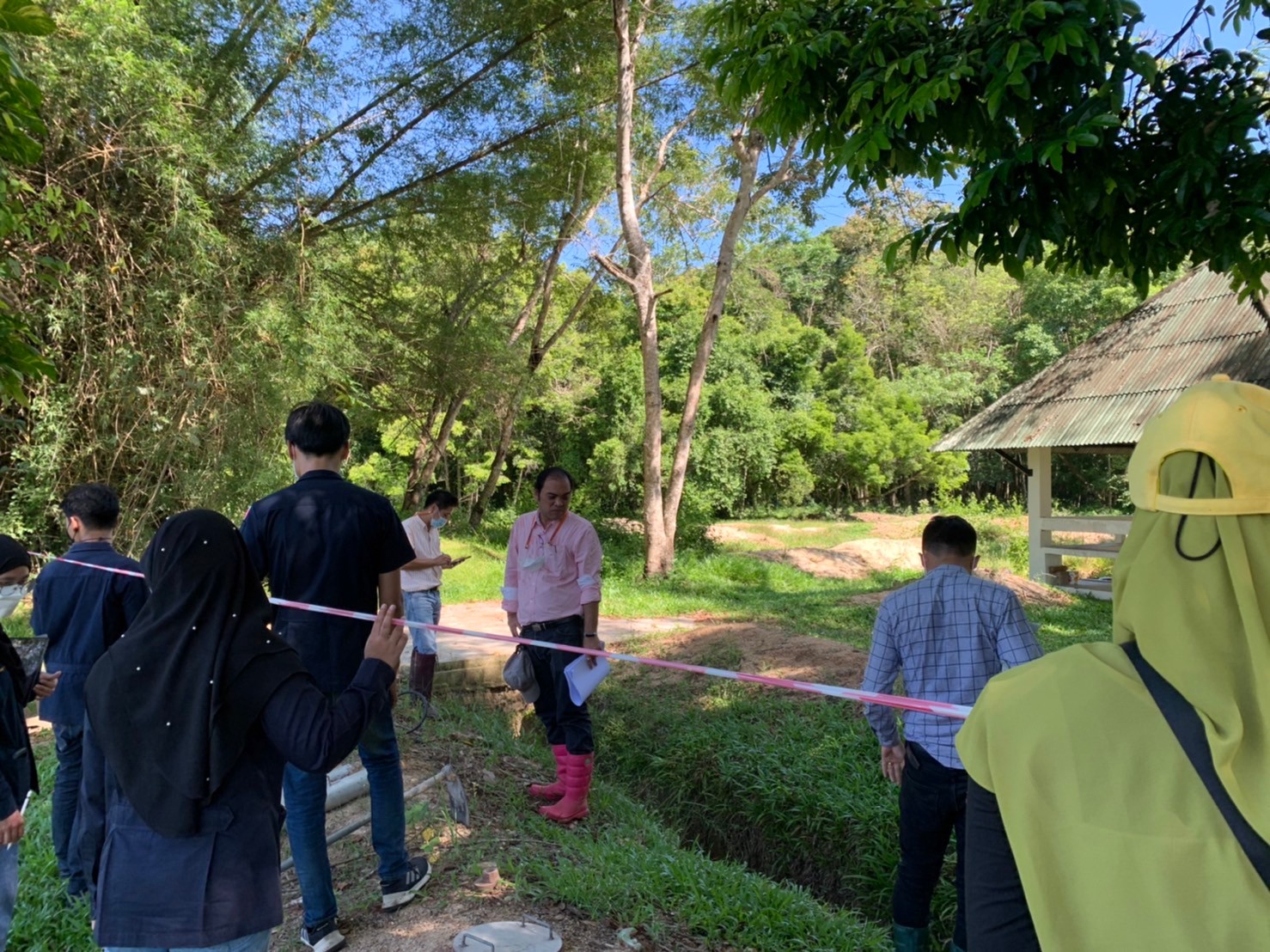
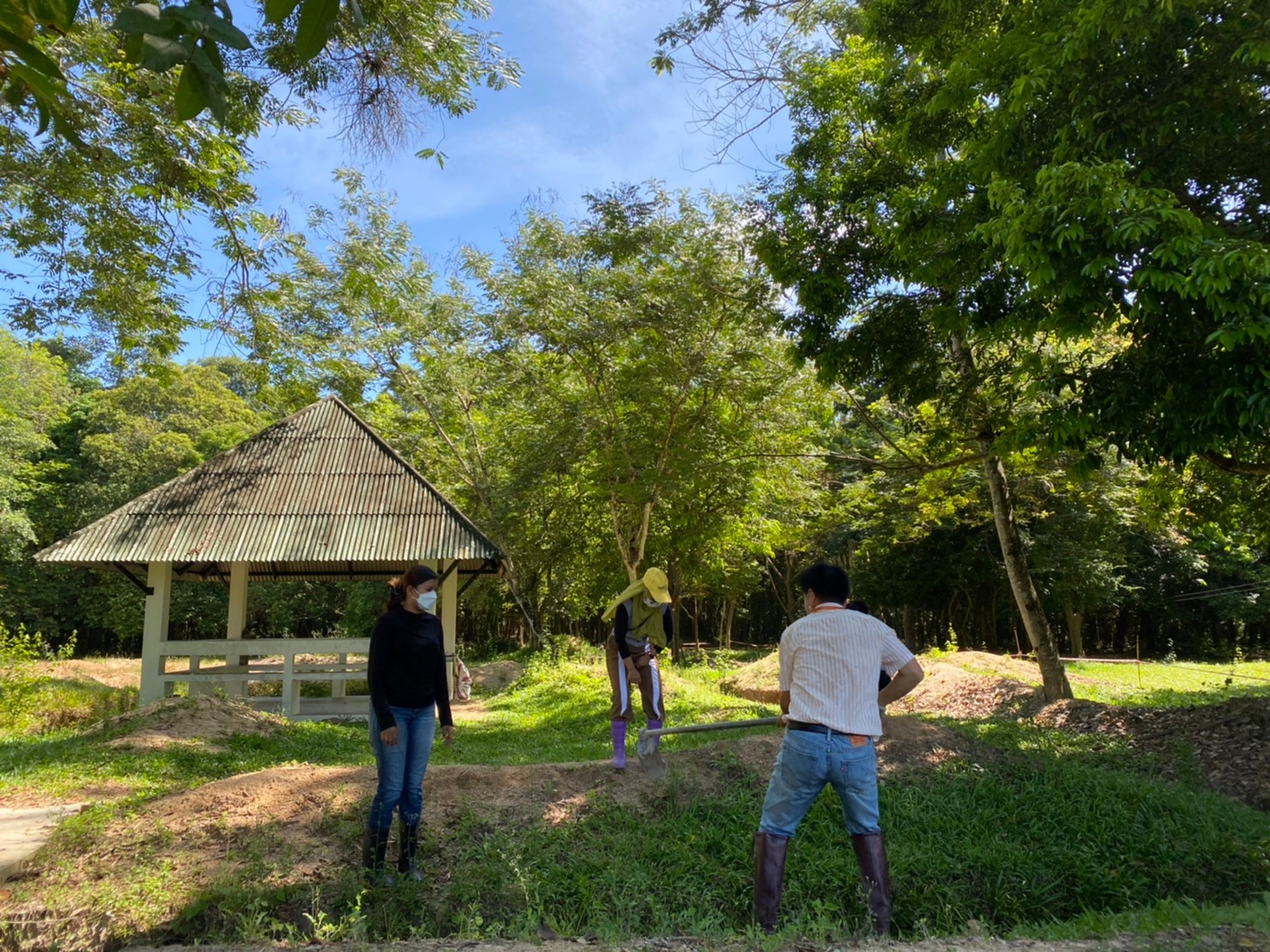
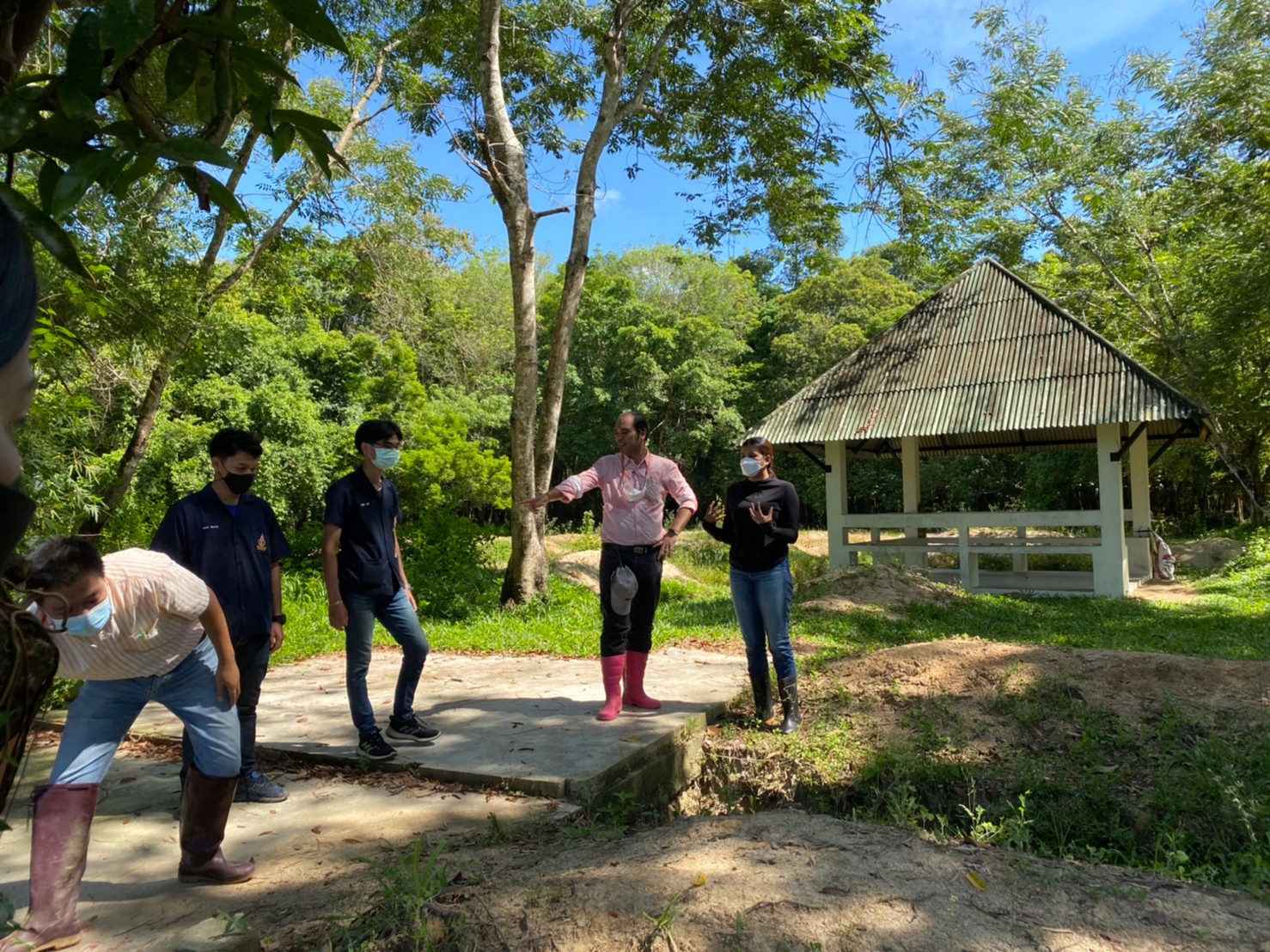
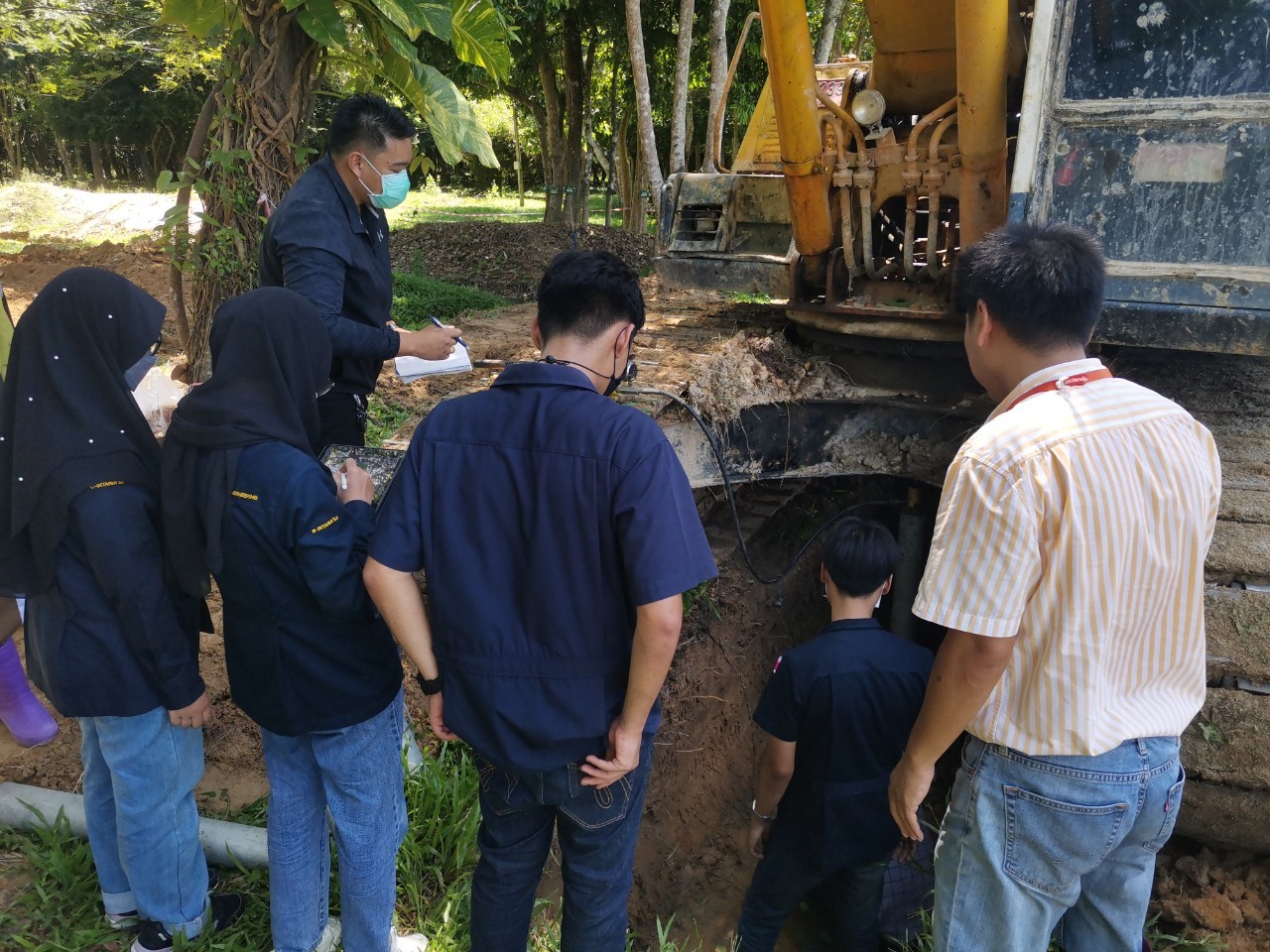
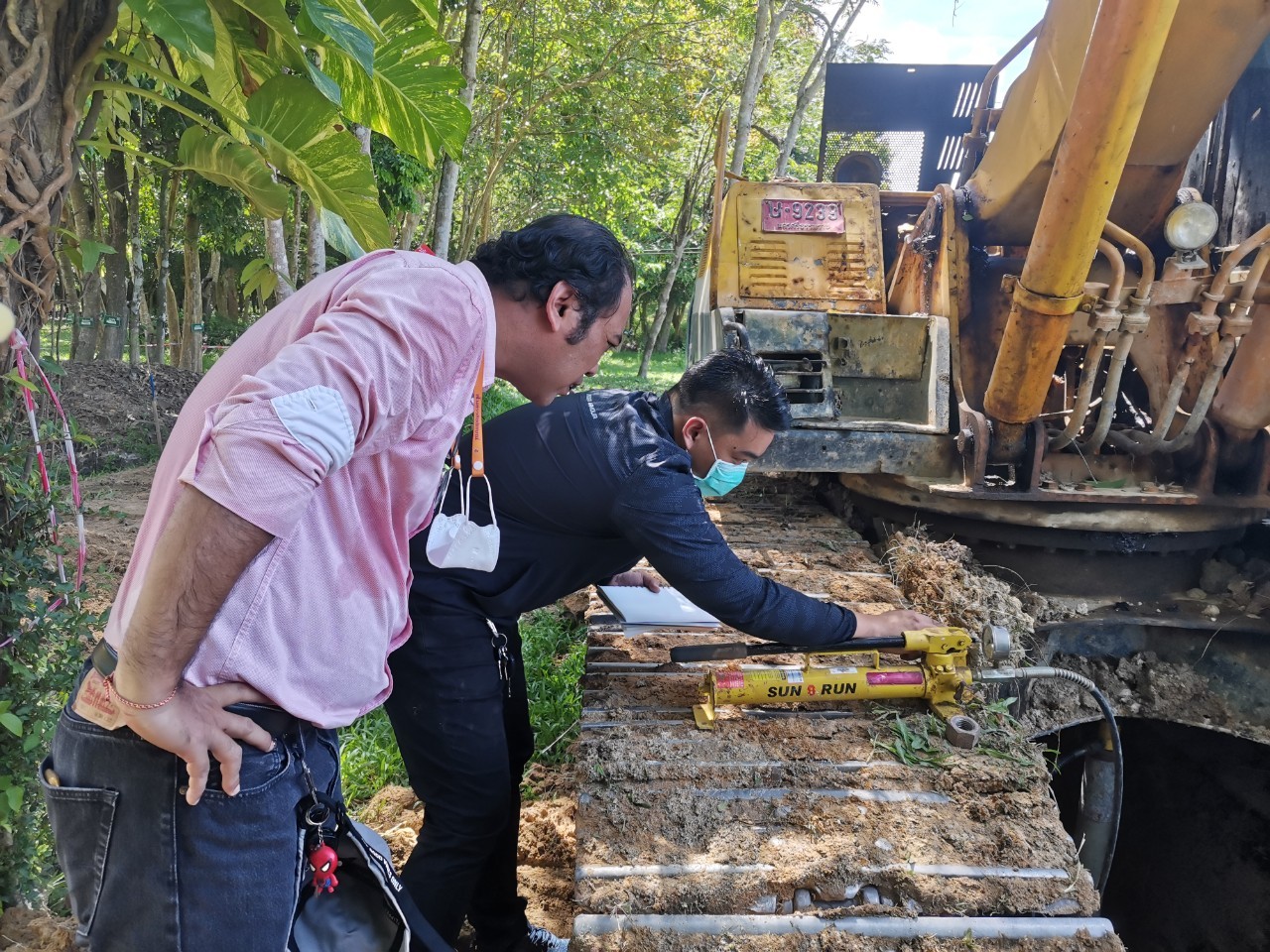
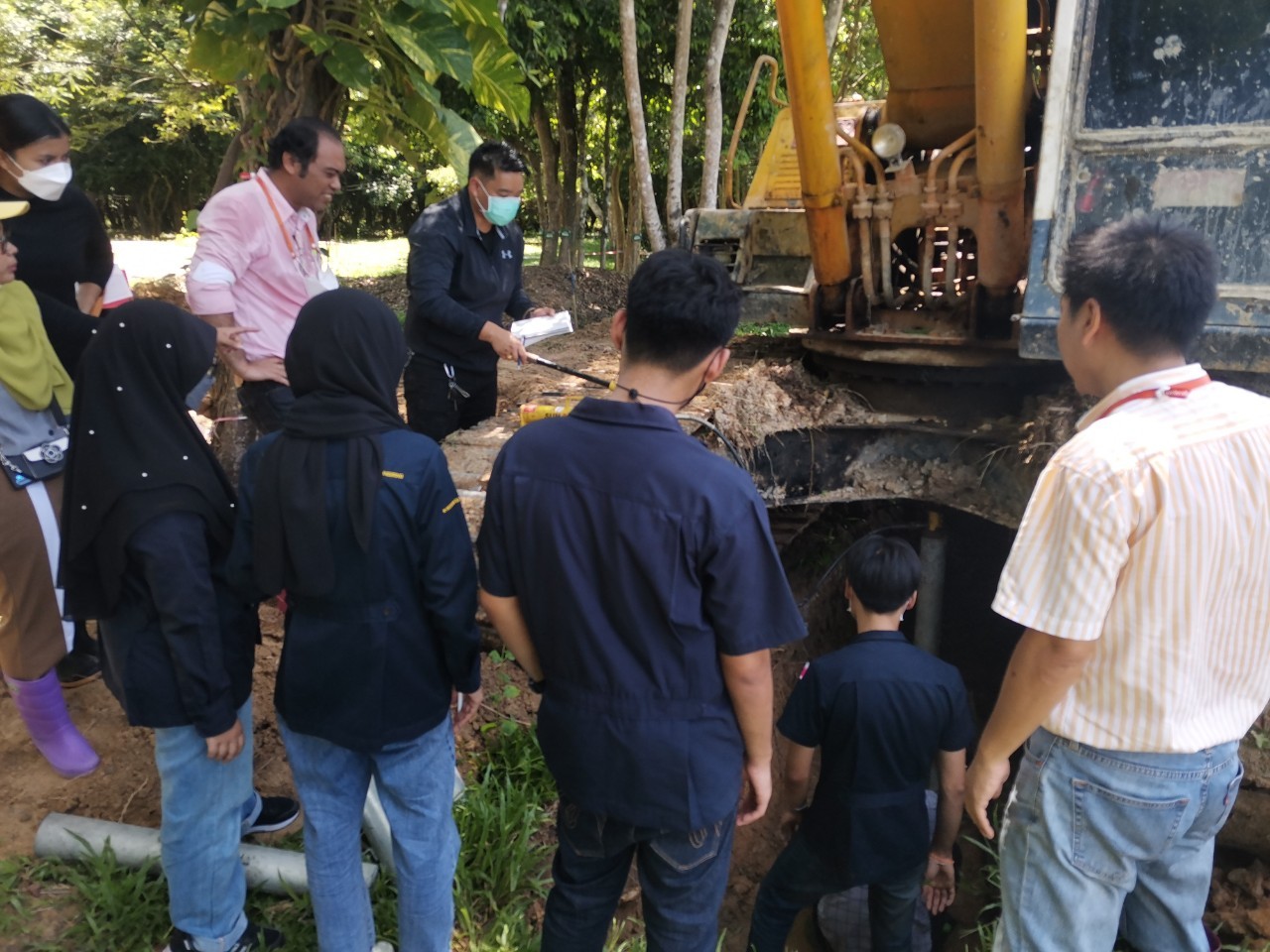
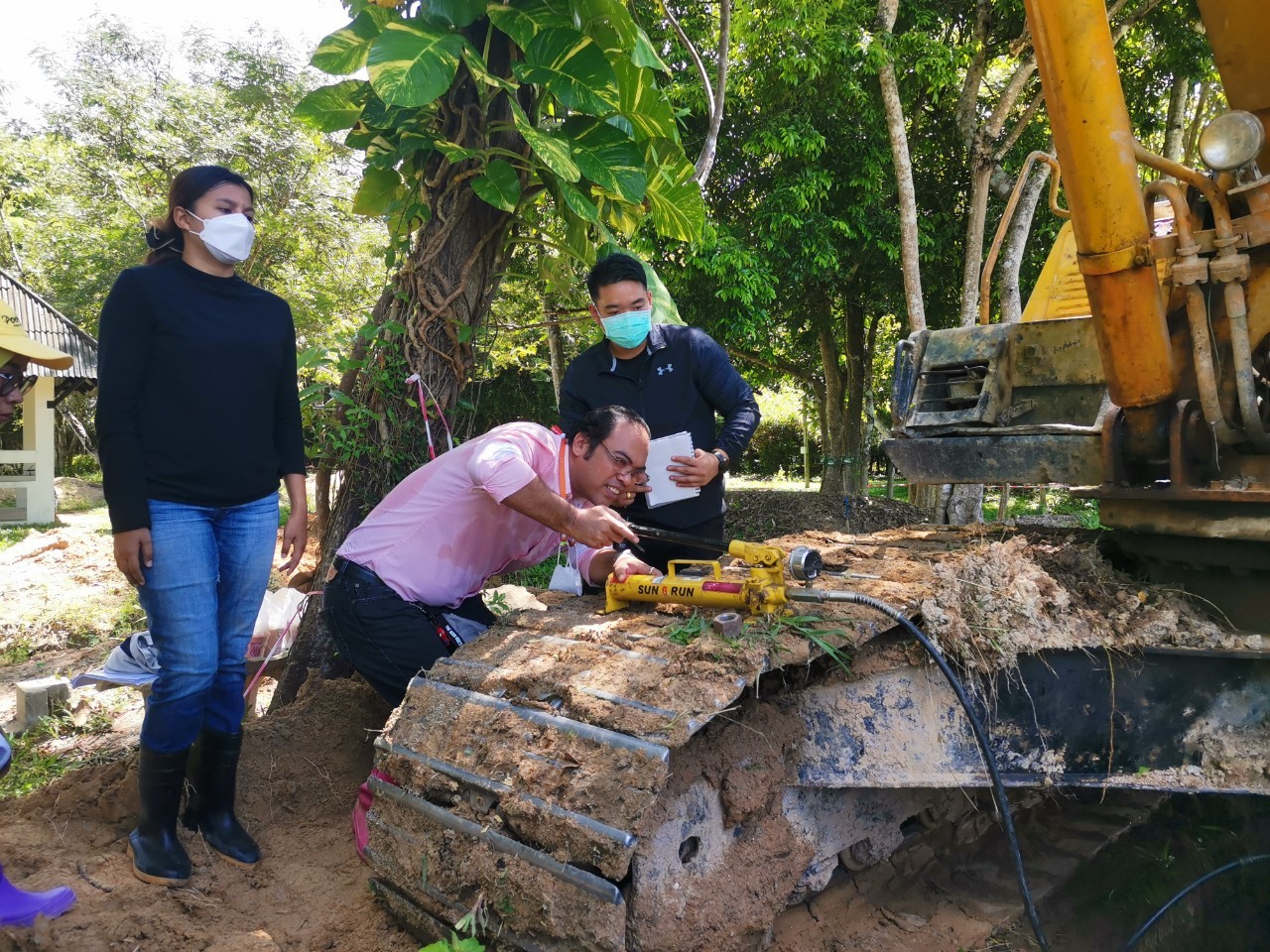
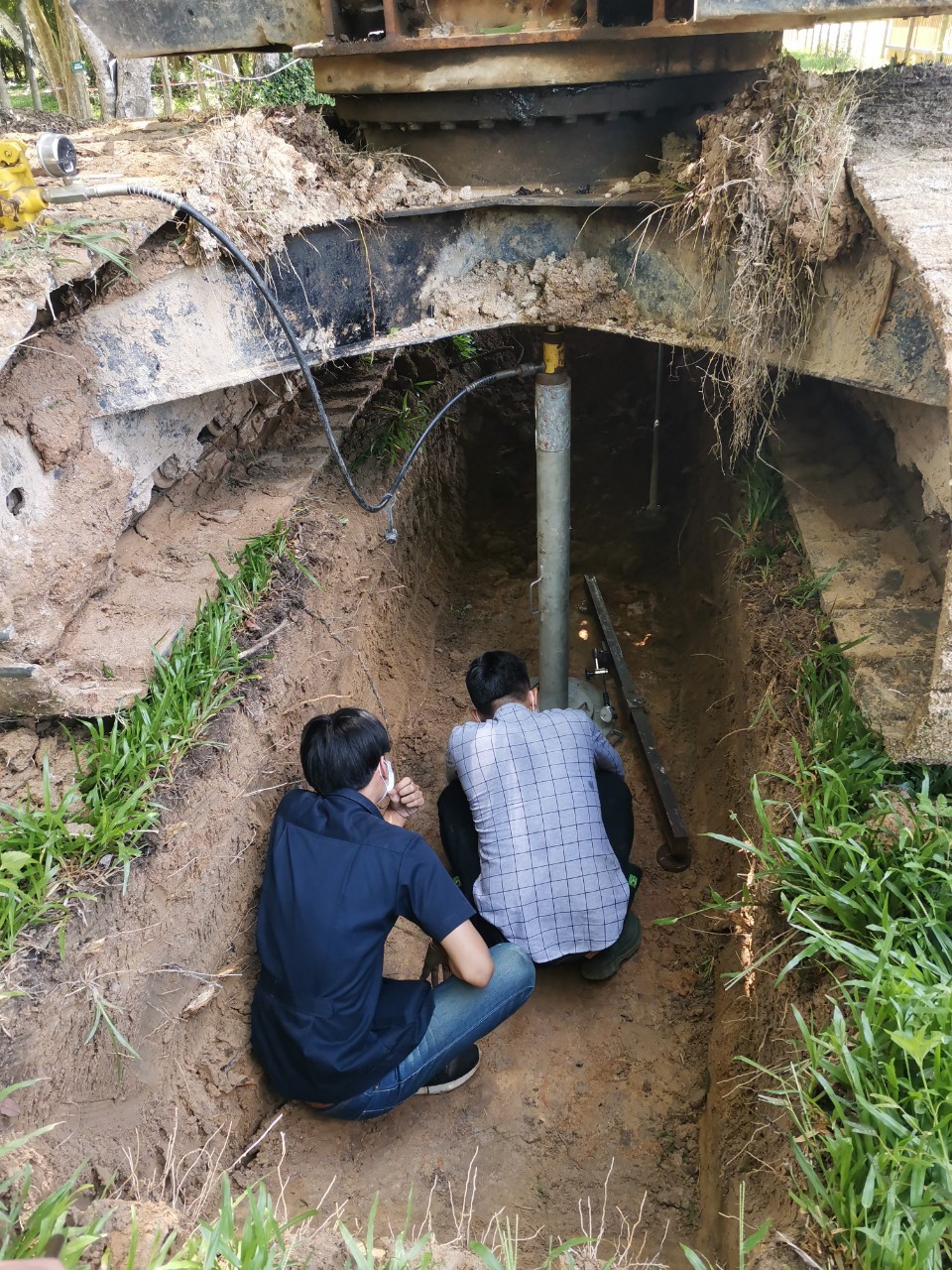
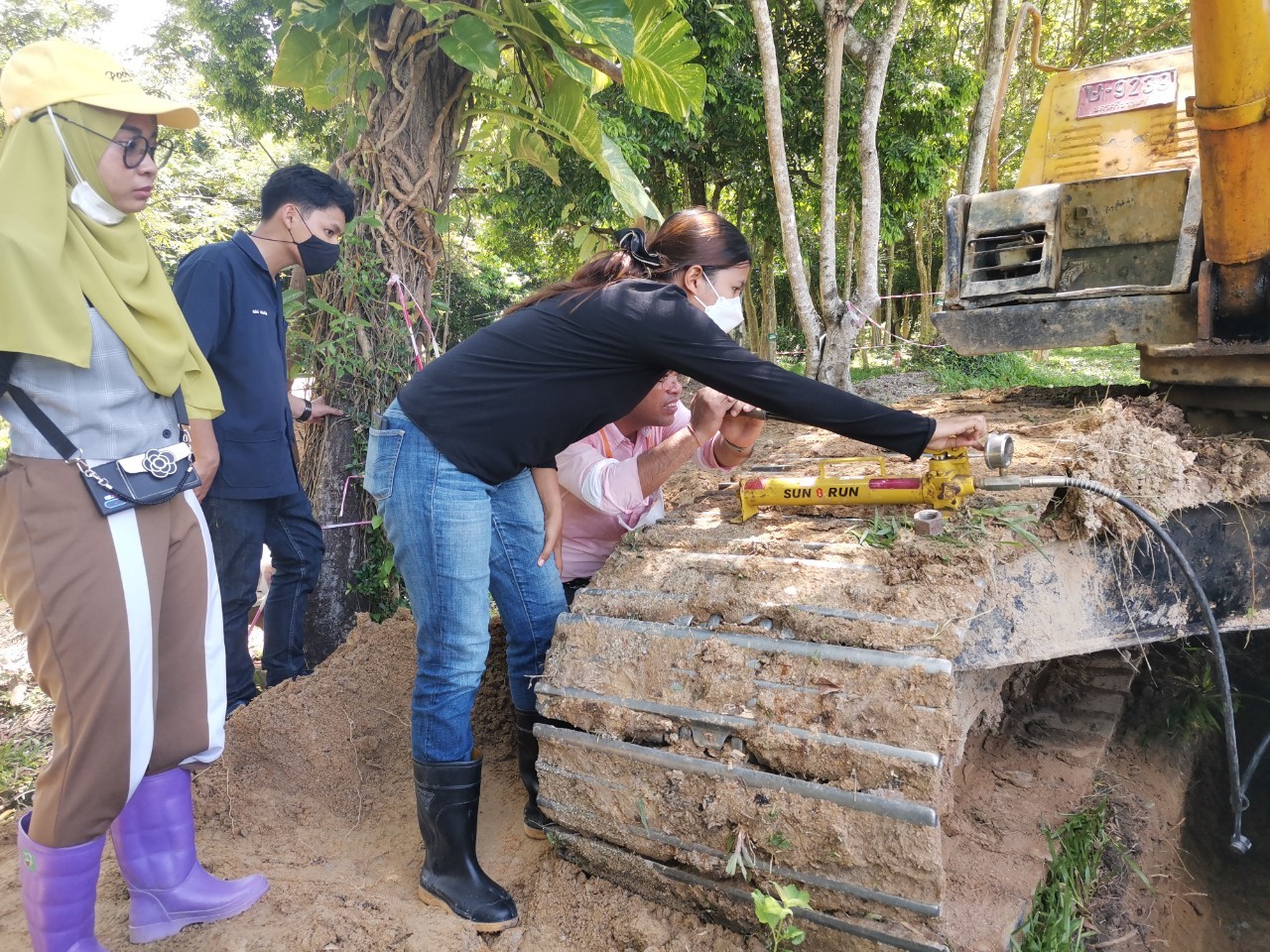
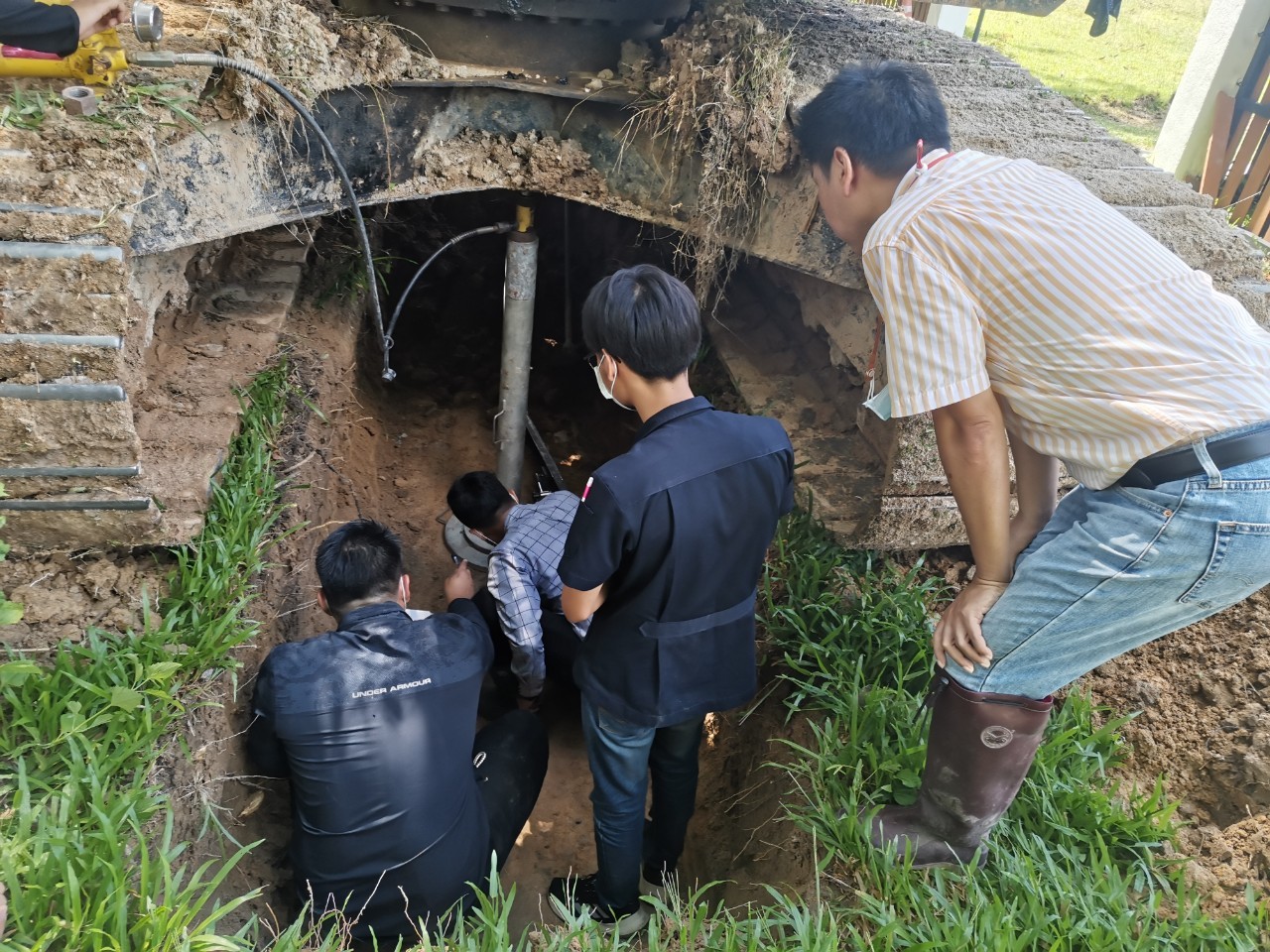
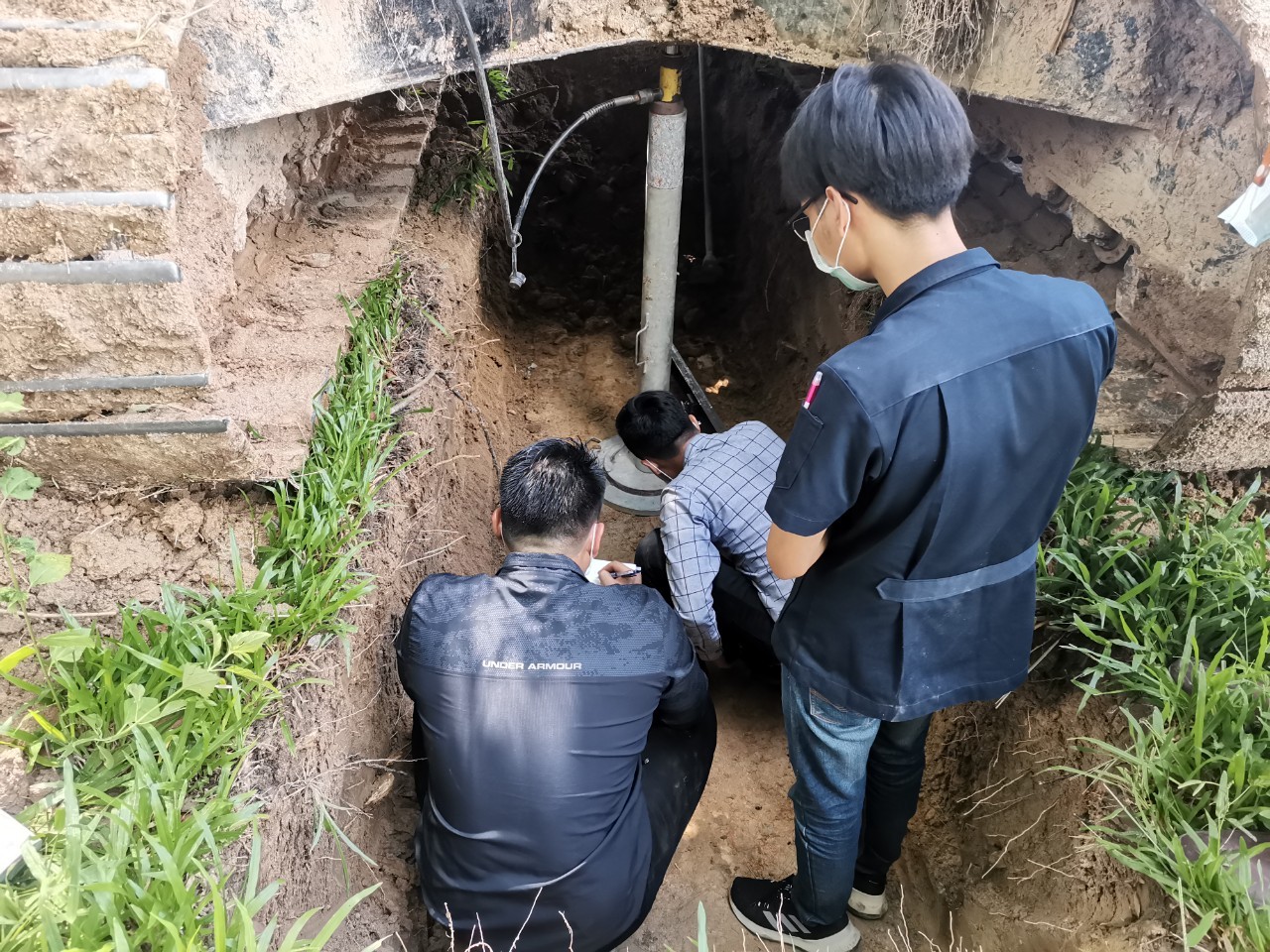
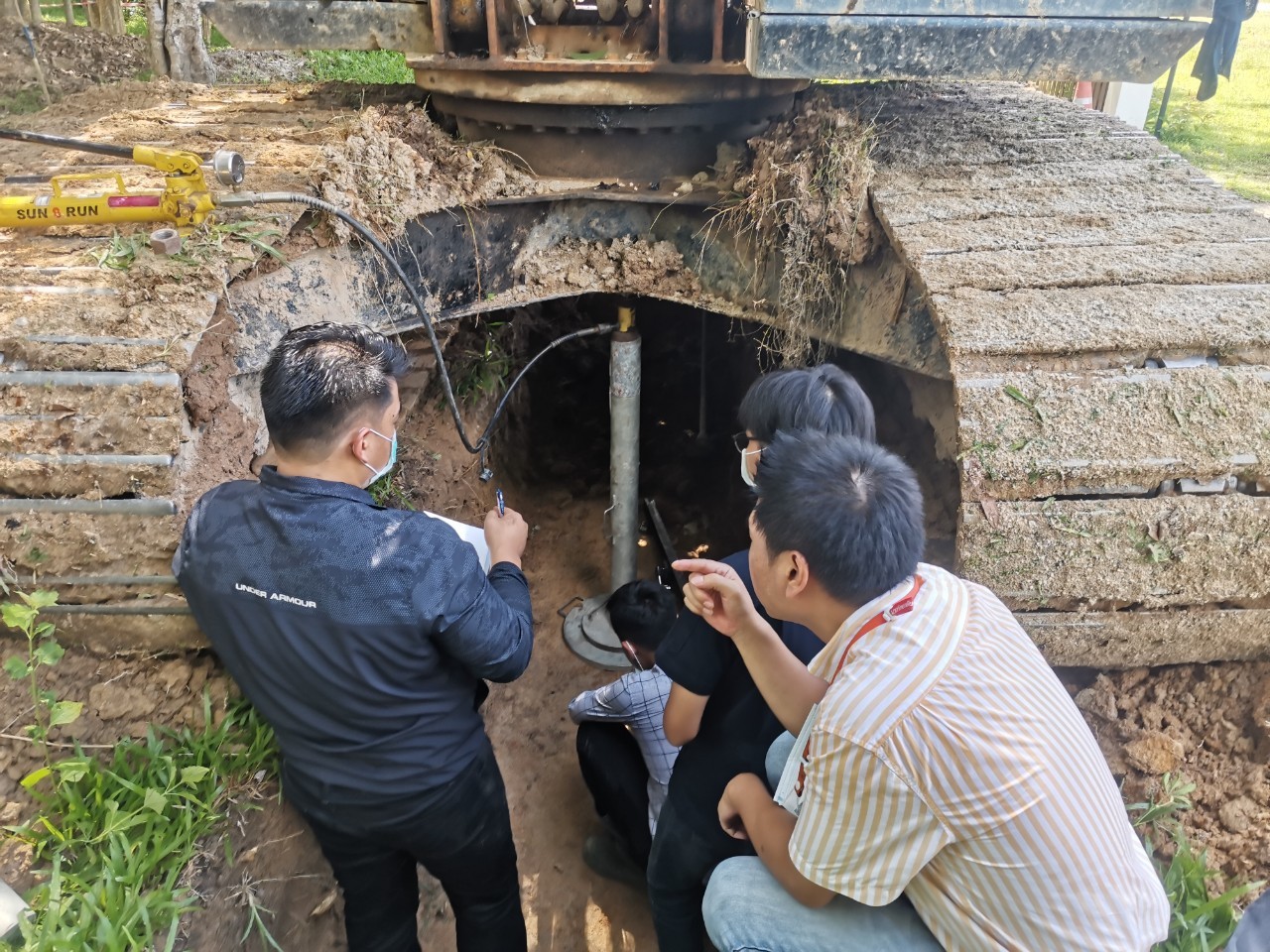
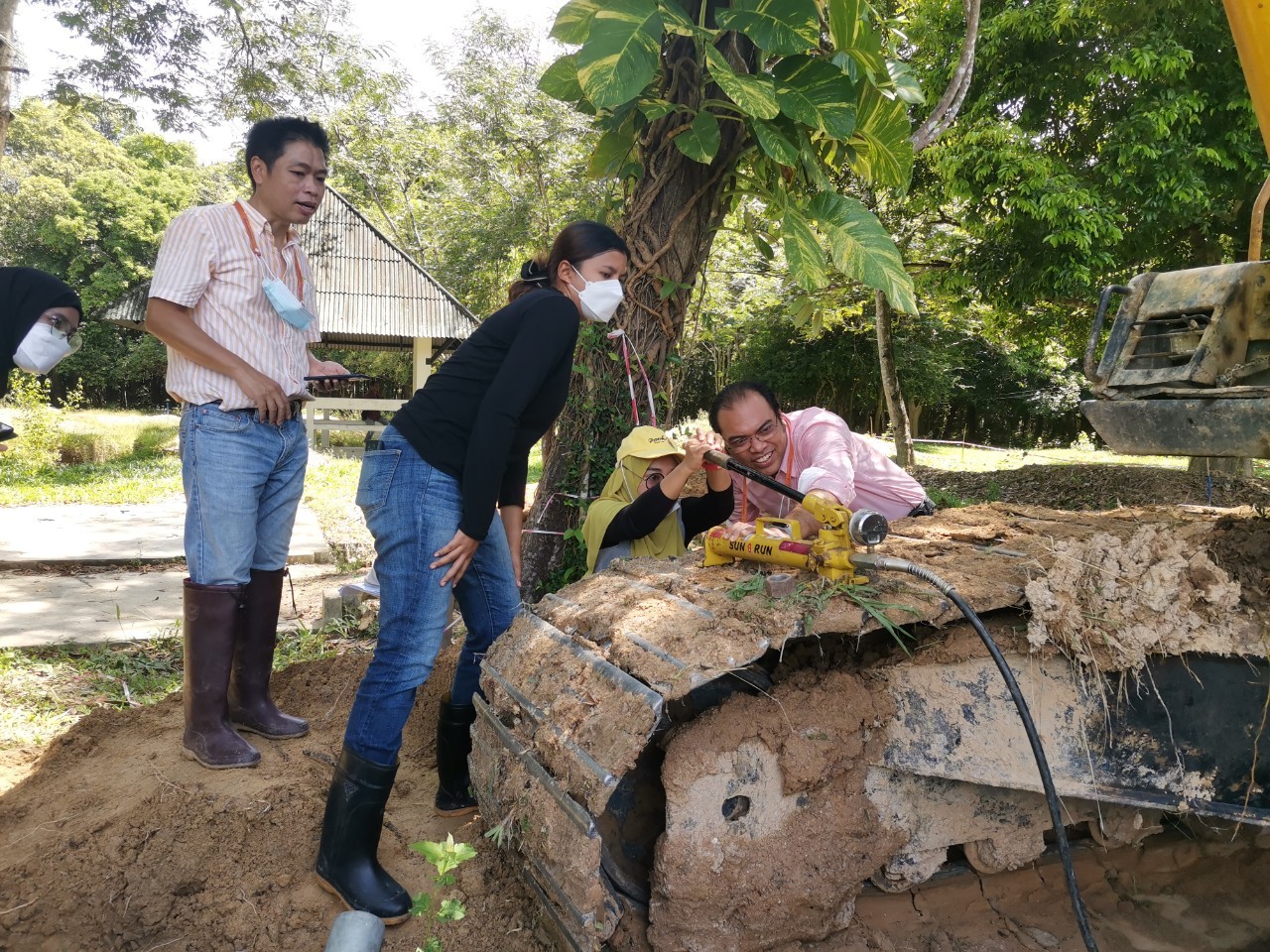
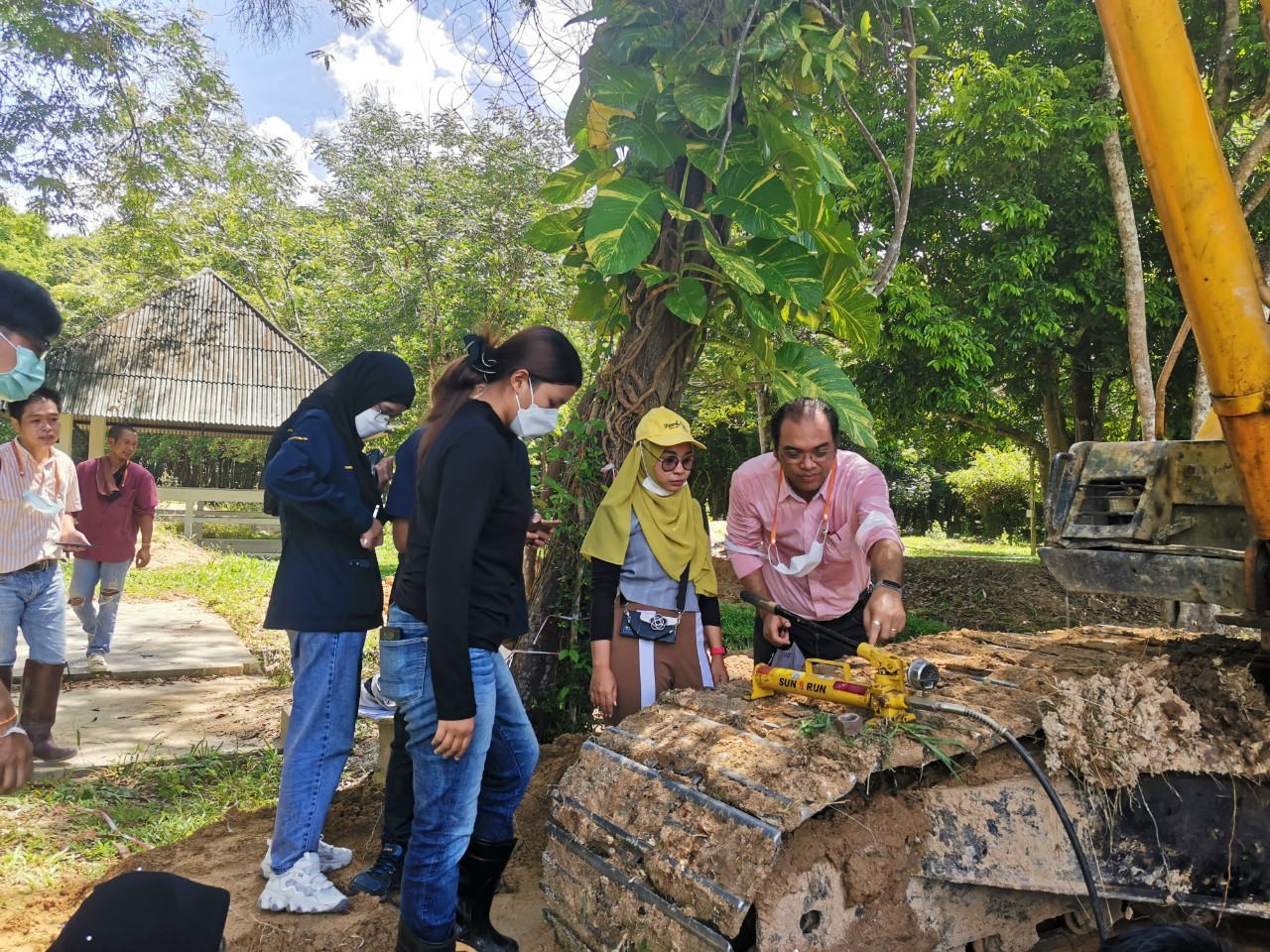
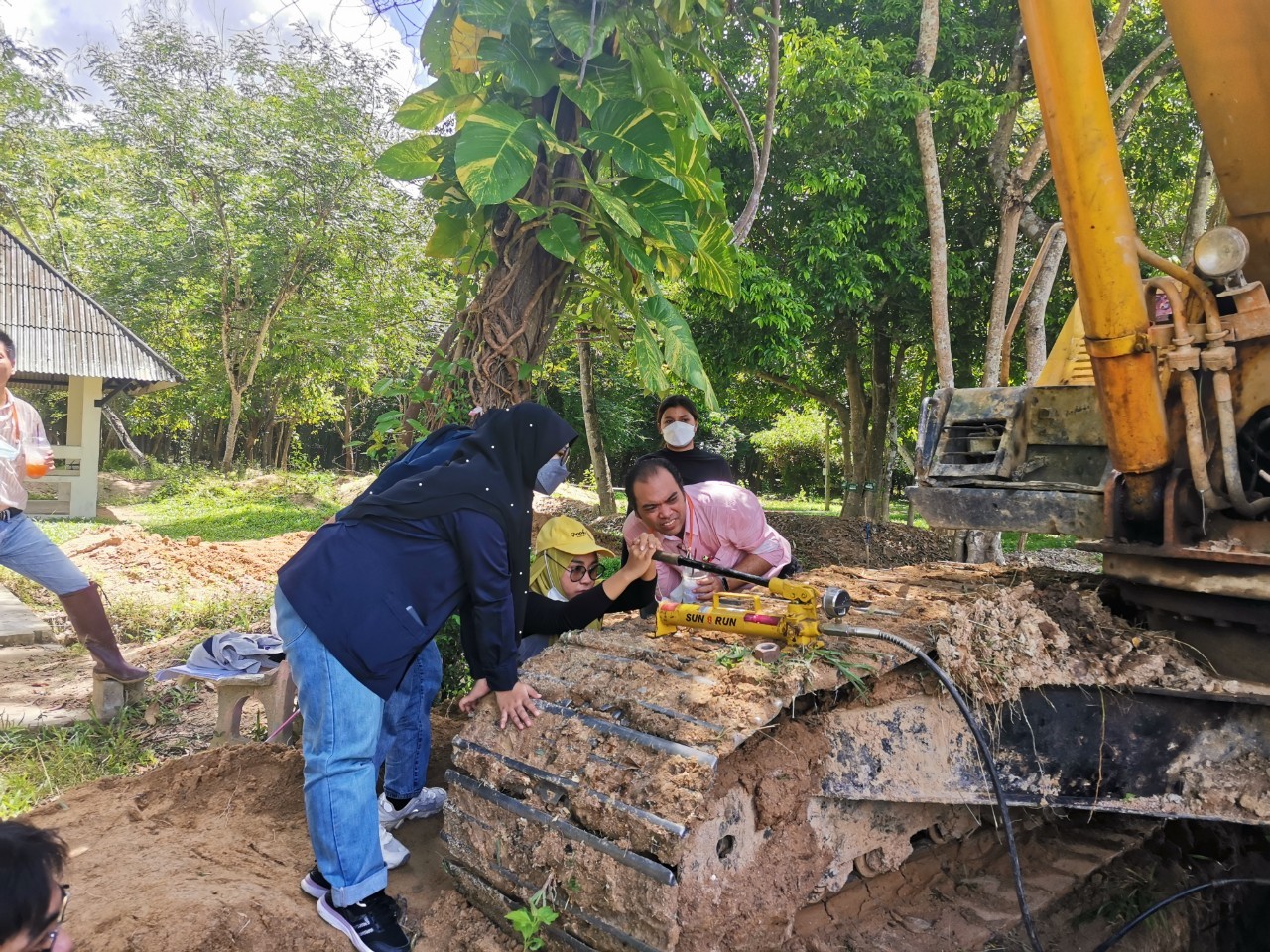
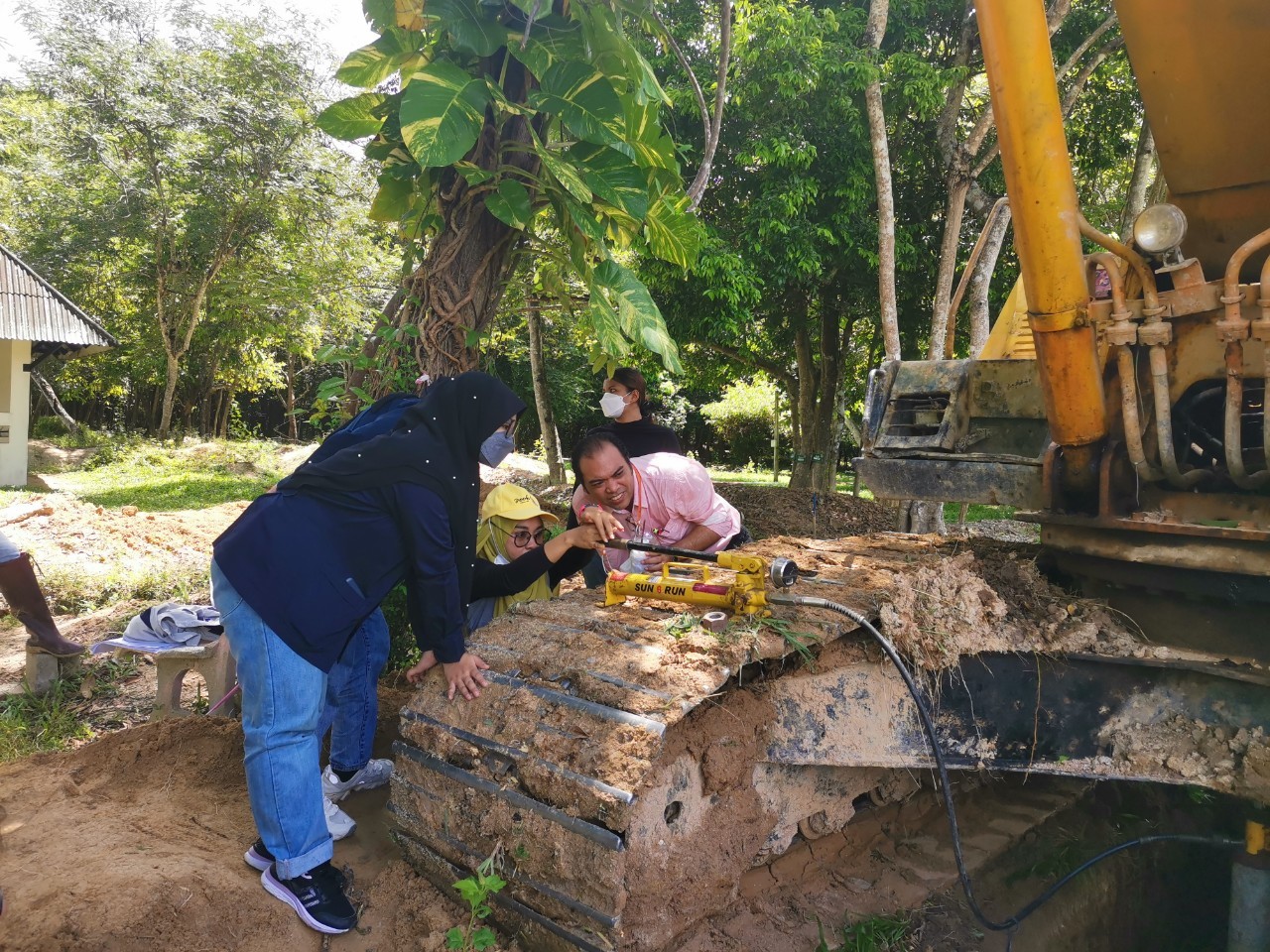
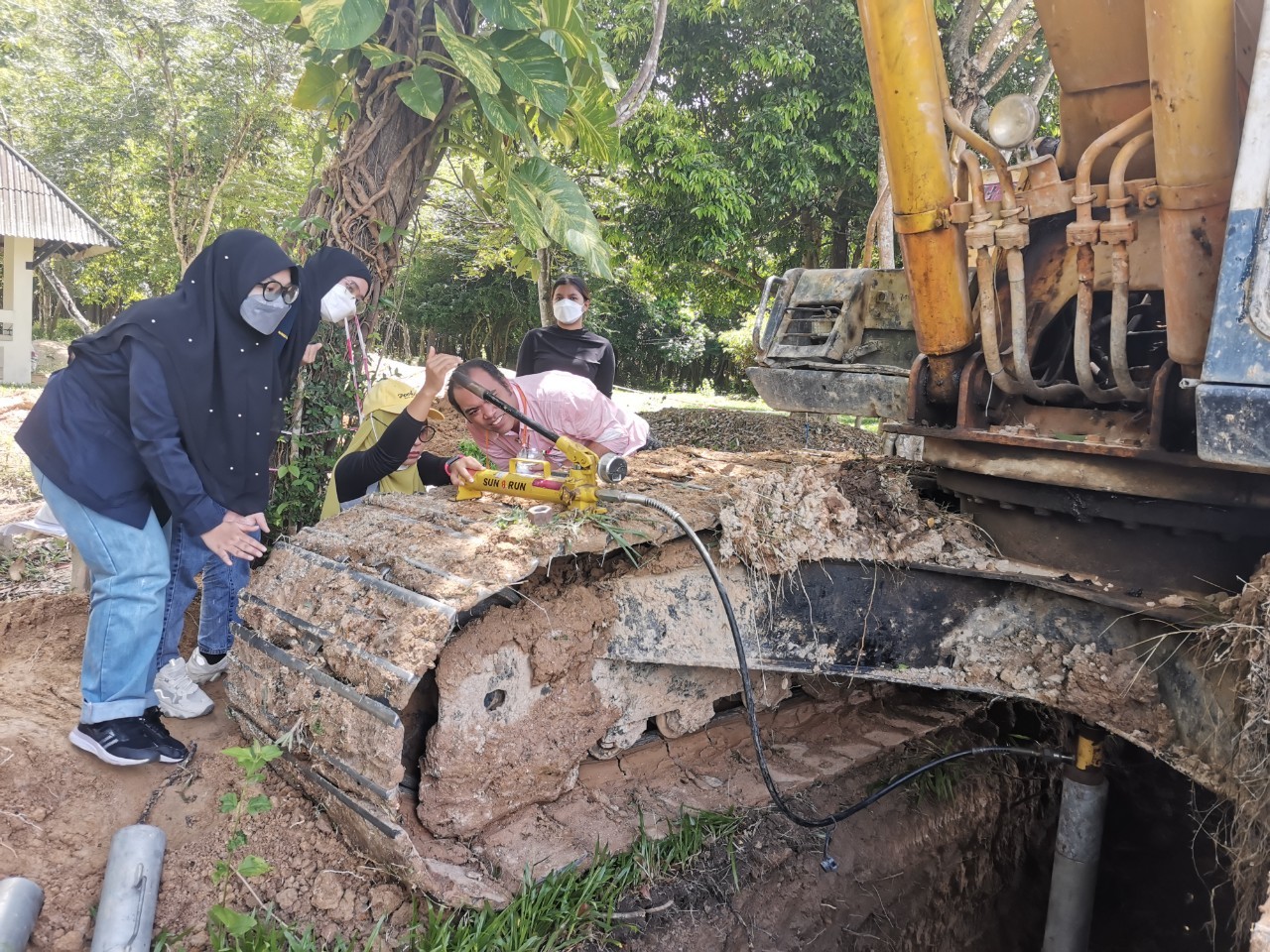
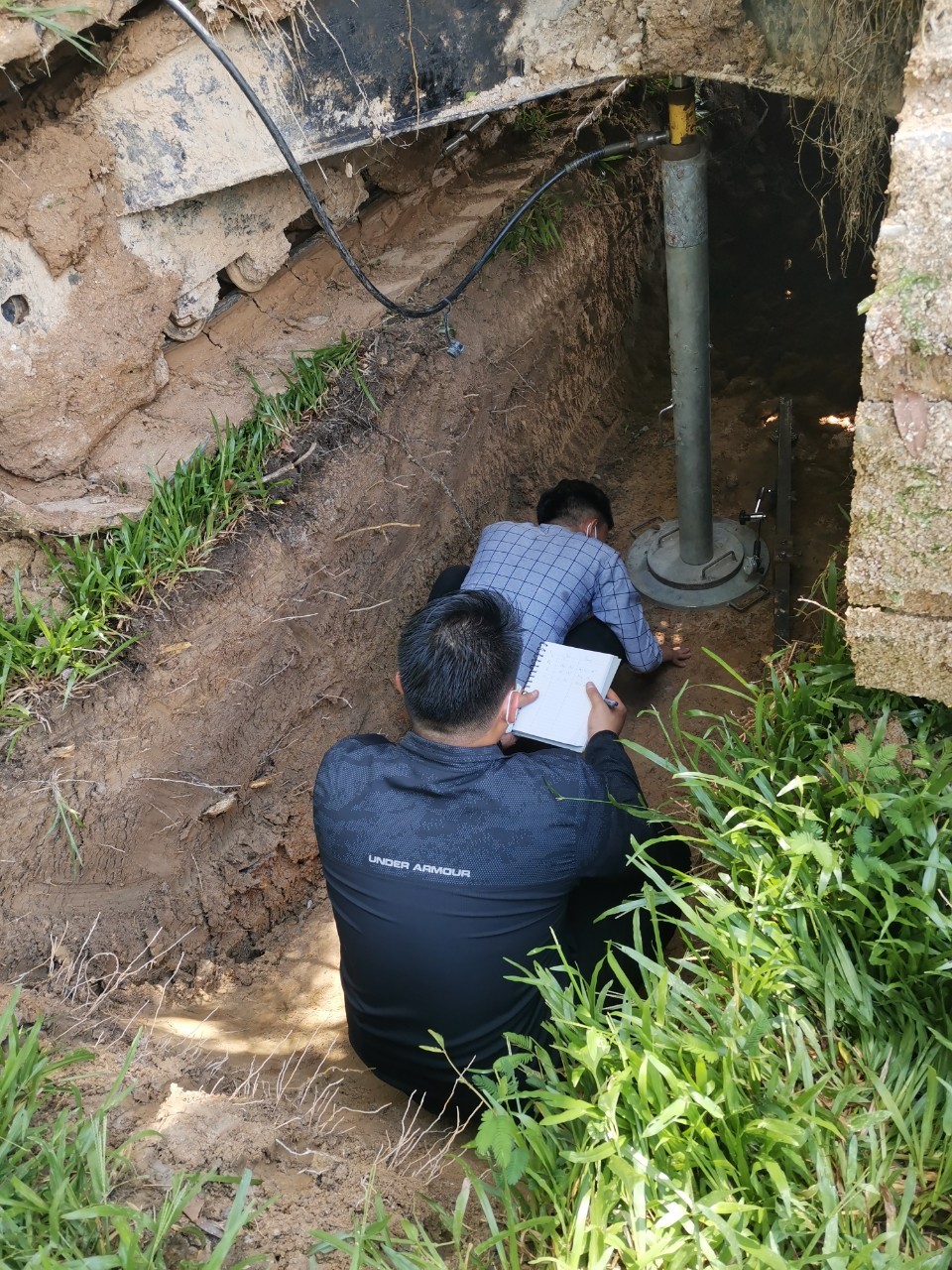
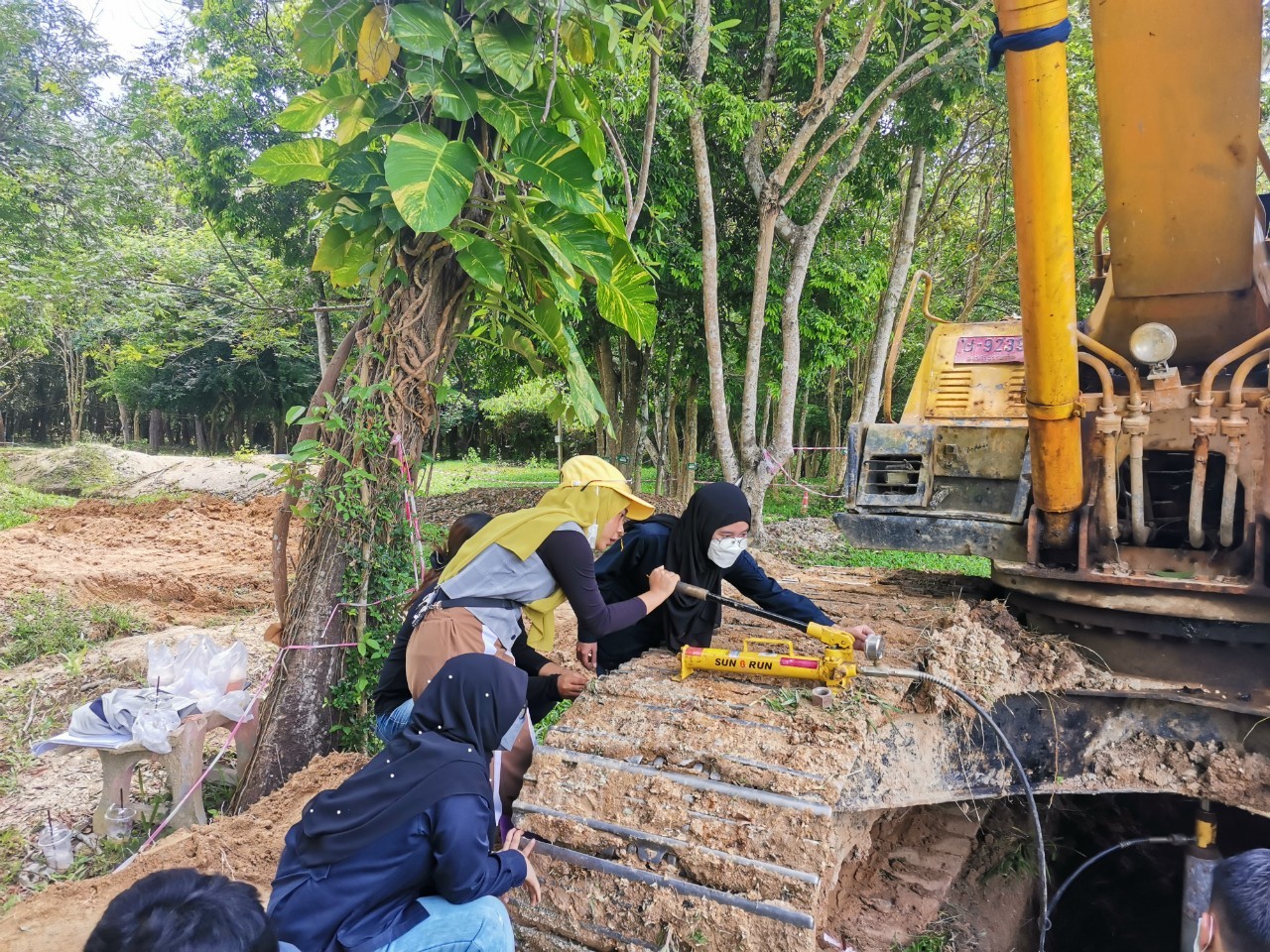
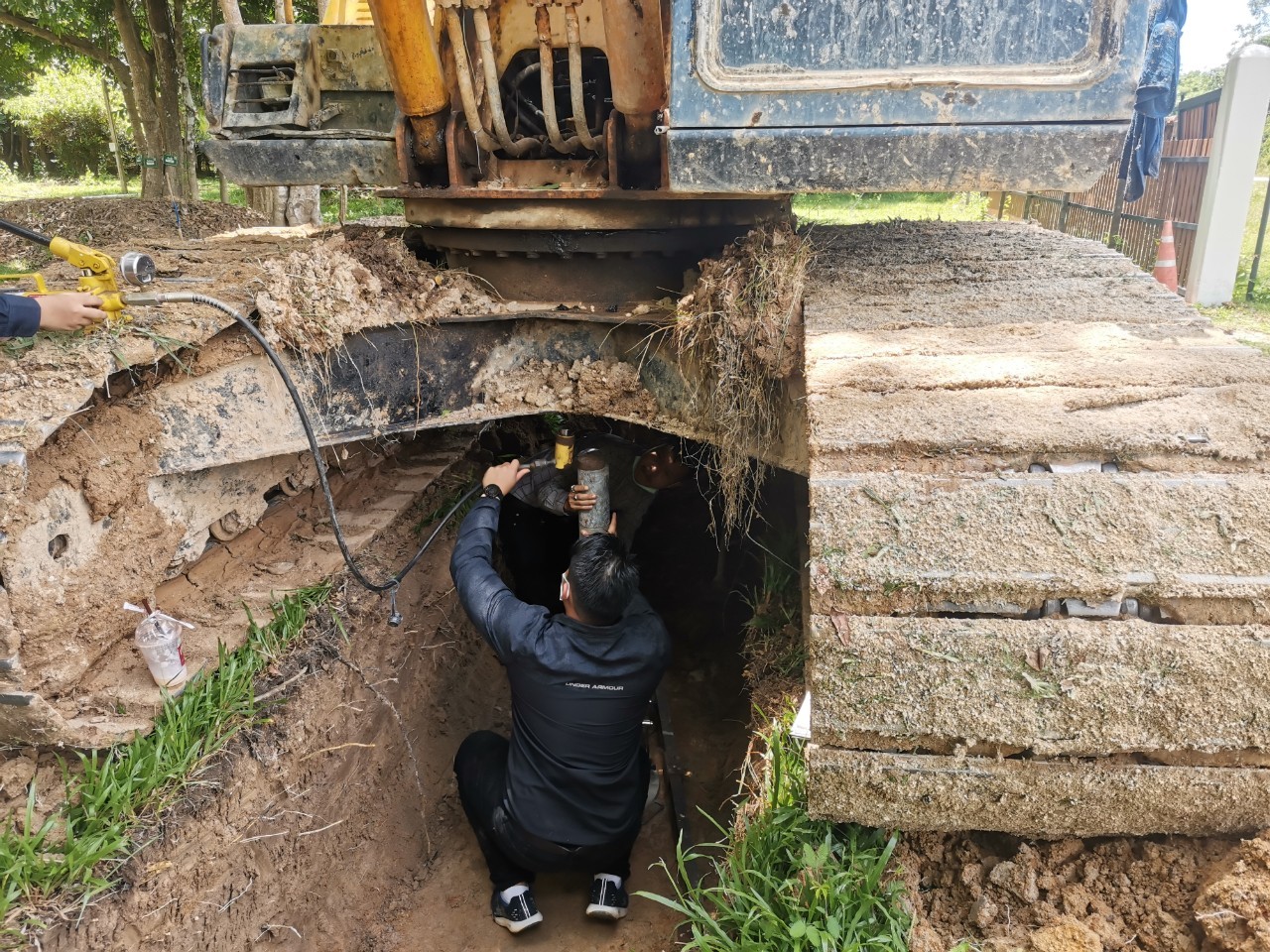
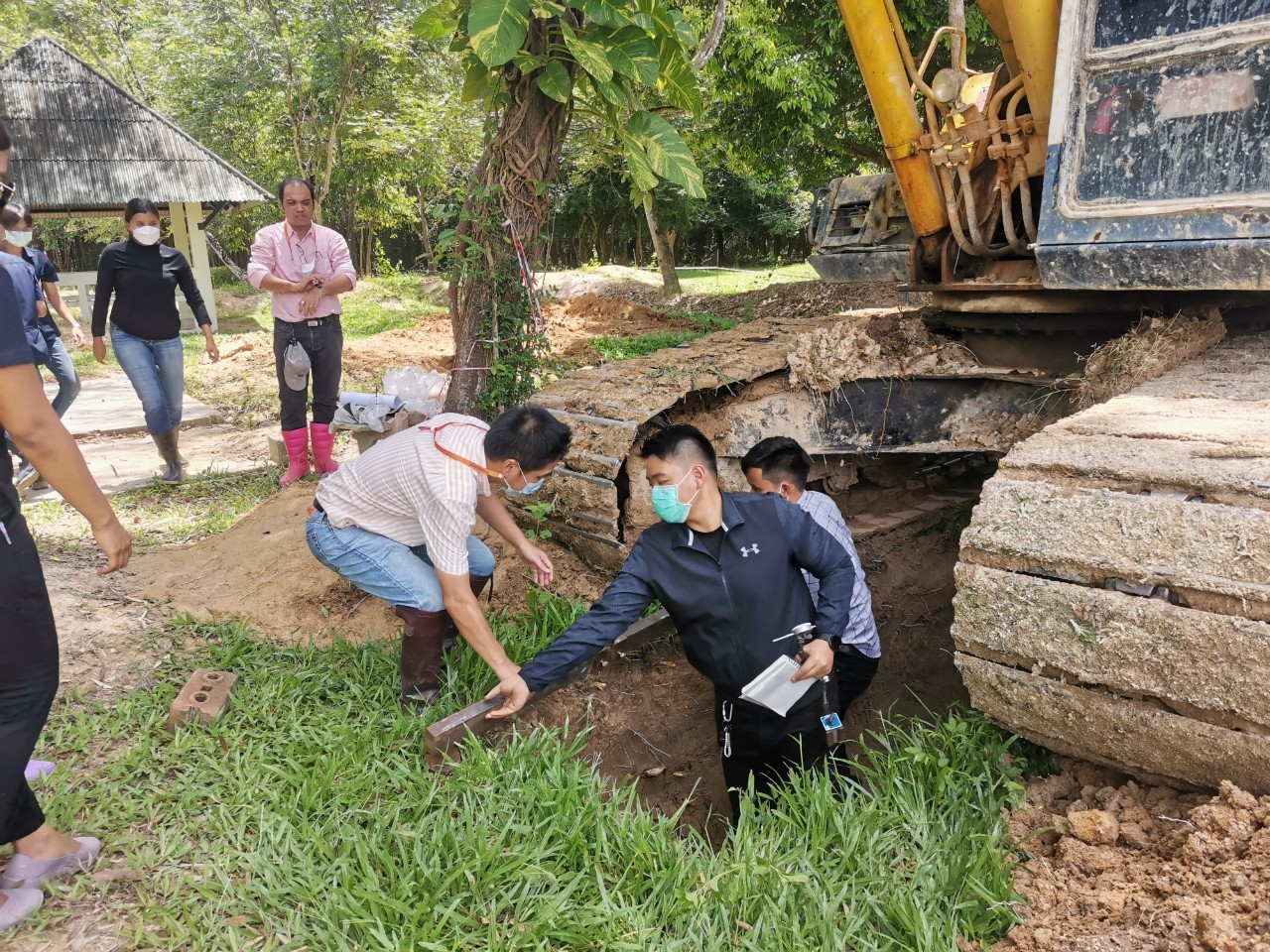
On April 25, 2022, Walailak Cultural Ashram together with the building Walailak University To carry out the test of the bearing weight of the soil. Courtesy of Asst. Prof. Dr. Kampanat Sukmak, Associate Dean of the School of Engineering and Technology Field visits to determine the load carrying capacity of soil which is the data for analysis of soil subsidence before construction Building for learning about arts and culture in the south “Walailak Abode of Culture” at Tumpang Ruins
in the construction of a learning center for arts and culture in the south “Walailak Abode of Culture” There is a construction plan at the entrance of Tumbang Ruins. which has been registered in the Government Gazette, Volume 118, Special Section 33 Ngor, Page 5, April 9, 2001, area 80 rai 3 ngan 80 square wa Walailak Cultural Ashram has made a request letter to the Fine Arts Department which initially, the Fine Arts Department has considered The building to be constructed does not affect the value of the Tumpang Ruins. The style of architecture is not very tall and uses materials that are consistent with the ancient site. therefore allowed to carry out the construction of such buildings as proposed and has conducted archaeological excavations in the building construction area of 13 holes.
The first soil layer found evidence of fragments of clay pottery. (Earthenware) Remnants of Chinese porcelain (Chinese Porcelain) scattered in the soil in a sparse amount. together with modern objects
The second soil layer is at a depth of 30 centimeters down to 150 centimeters from the operation. No artifacts or traces of human use in the past were found. Classified as the original soil layer or natural soil layer In the methodology in the practice of archeology, the soil layer is defined as the end of culture (Sterile) and is considered to be terminated.
Summarize the results of the survey.
Able to carry out construction of buildings for learning arts and culture in the south “Walailak Abode of culture” in the Tumpang archaeological site as planned